Turning “Activities” Into Anchors
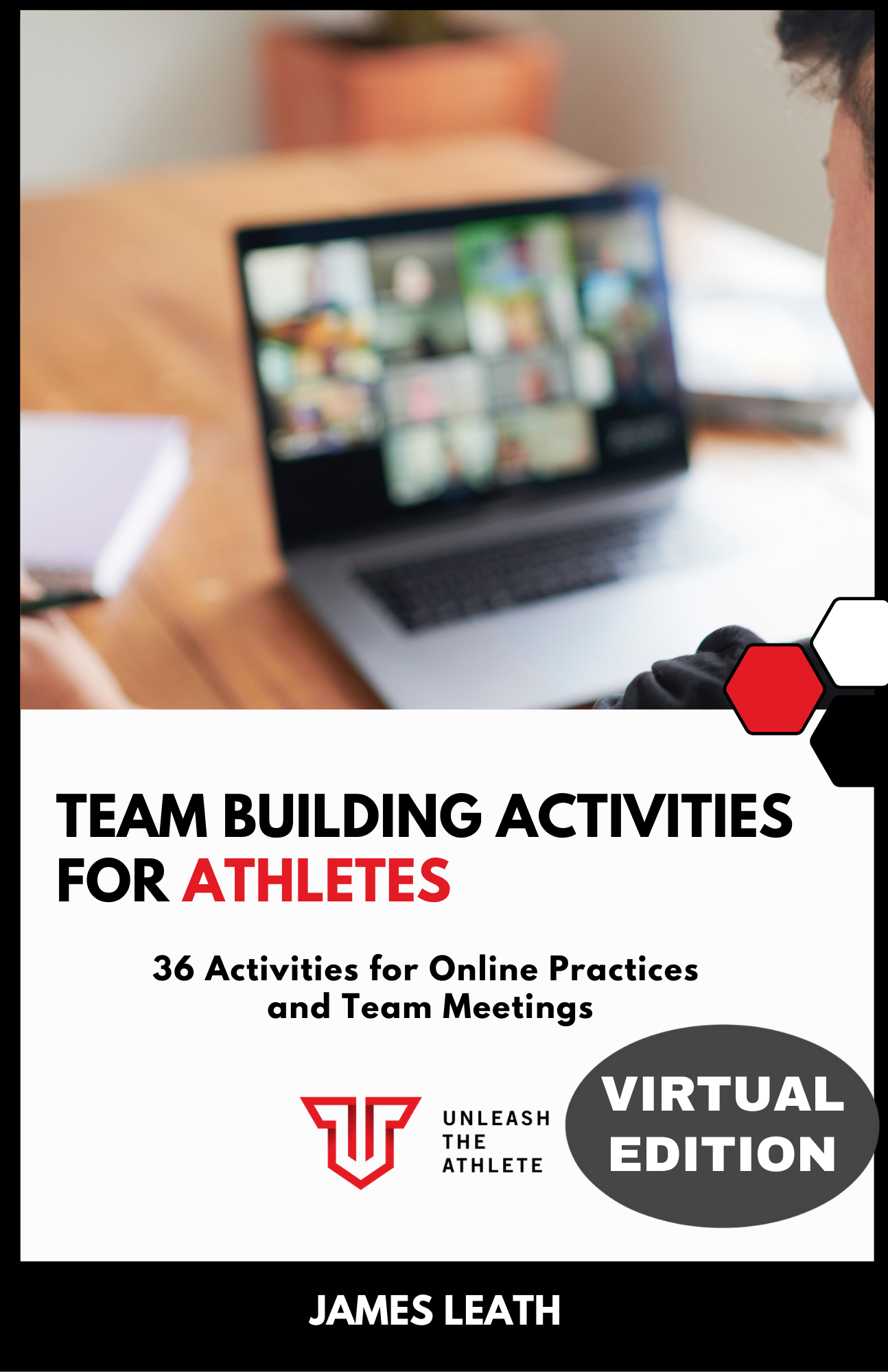
Team Building Activities for Athletes – Virtual Edition (eBook)
Bring your team together—even when you’re not in the same room.
The original Team Building Activities for Athletes book has helped coaches all over the world build stronger, more connected teams. That print edition is still available on Amazon for coaches who love a physical playbook in their hands.
This Virtual Edition is the same core idea—intentional activities that build culture—optimized for today’s reality:
teams on buses, in classrooms, on Zoom, in the locker room, or spread across three different practice fields.
This downloadable eBook gives you:
Ready-to-run team building activities designed for virtual or in-person use
Clear purpose statements, simple setup, and “how to say it” coaching language
Low-prep, high-impact games that create inside jokes, shared memories, and real connections
Built-in debrief questions so every activity turns into a teachable moment
Use it before practice, on a rain day, during film, or as a weekly “culture session.”
Open the PDF, pick an activity, read the script, and you’re off. No crafts. No magic props. Just you, your athletes, and a structure that makes you look like you planned this weeks ago.
If you like this virtual version and want the full original playbook, you can grab
Team Building Activities for Athletes: How to Master the Art of Building a Successful Team Culture Through Intentional Activities on Amazon as a companion.
One book on your shelf. One on your screen.
End result: a team that actually enjoys being together—and plays better because of it.
Many teams “do activities.”
Very few use them as anchors.
An activity by itself is just movement: a game, a challenge, a goofy icebreaker. Fun in the moment, gone by the next drill.
An activity used with intention becomes a reference point you can pull on all season.
The difference isn’t the activity.
It’s the frame and the debrief.
Here’s a basic framework to turn any team-building activity into a culture anchor:
Name the skill out loud.
“We’re practicing communication under time pressure.”
“We’re practicing staying positive when we’re failing publicly.”
Run the activity.
Let it be messy. Let them laugh. Let them struggle. Resist the urge to over-coach it in the moment.
Ask three questions afterward:
“What did you notice about yourself?”
“What helped the group succeed or fail?”
“Where do we see this same pattern in games or practice?
That’s it. Five extra minutes of conversation turns a throwaway game into something that shapes how they see themselves.
For example, say you run an improv-style activity where one athlete has to create a story on the spot while their teammates throw in random words. Half the room panics when it’s their turn.
You debrief:
Some admit they froze because they were scared of being judged.
Some say they settled in once they realized everyone was on their side.
Someone points out that it felt just like being “on an island” in the game.
Now you’ve got language.
Later, in a timeout, you can say, “Hey, this is another improv moment. You don’t have to be perfect. You just have to keep going.”
The activity becomes shorthand for a mental skill.
A few common mistakes to avoid:
Running activities only when things are bad.
If you only pull out team-building when your team is in a funk, it will feel like punishment. Sprinkle them in when things are going well, too.
Treating activities like babysitting.
If you’re on your phone while they’re doing it, they’ll match your energy. Be in it with them.
Skipping the debrief because “we’re running late.”
That’s where the learning happens. Shorten the activity before you cut the conversation.
My rule: an activity isn’t finished until the team has named one thing they want to carry forward.
That might sound like:
“We handled confusion well.”
“We got frustrated and bailed.”
“We didn’t listen, and it cost us.”
Once they say it, you can bring it back later.
That’s what you’re really building: mental hooks and shared experiences you can go back to when pressure hits.
Drills build skills. Activities build glue.
When you do both with intention, your team stops feeling like a group of kids in the same uniform and starts feeling like an actual unit.
The season will give you plenty of storms.
Use your activities now to build the anchors you’ll need then.
Team Building Activities for Athletes – Virtual Edition (eBook)
Bring your team together—even when you’re not in the same room.
The original Team Building Activities for Athletes book has helped coaches all over the world build stronger, more connected teams. That print edition is still available on Amazon for coaches who love a physical playbook in their hands.
This Virtual Edition is the same core idea—intentional activities that build culture—optimized for today’s reality:
teams on buses, in classrooms, on Zoom, in the locker room, or spread across three different practice fields.
This downloadable eBook gives you:
Ready-to-run team building activities designed for virtual or in-person use
Clear purpose statements, simple setup, and “how to say it” coaching language
Low-prep, high-impact games that create inside jokes, shared memories, and real connections
Built-in debrief questions so every activity turns into a teachable moment
Use it before practice, on a rain day, during film, or as a weekly “culture session.”
Open the PDF, pick an activity, read the script, and you’re off. No crafts. No magic props. Just you, your athletes, and a structure that makes you look like you planned this weeks ago.
If you like this virtual version and want the full original playbook, you can grab
Team Building Activities for Athletes: How to Master the Art of Building a Successful Team Culture Through Intentional Activities on Amazon as a companion.
One book on your shelf. One on your screen.
End result: a team that actually enjoys being together—and plays better because of it.