

The Power of Consistency
Consistency builds trust and creates a stable environment where athletes thrive, knowing exactly what to expect from their coach. When you show up every day with steady energy, clear expectations, and a positive attitude, your athletes will mirror that consistency and grow into confident, resilient players.
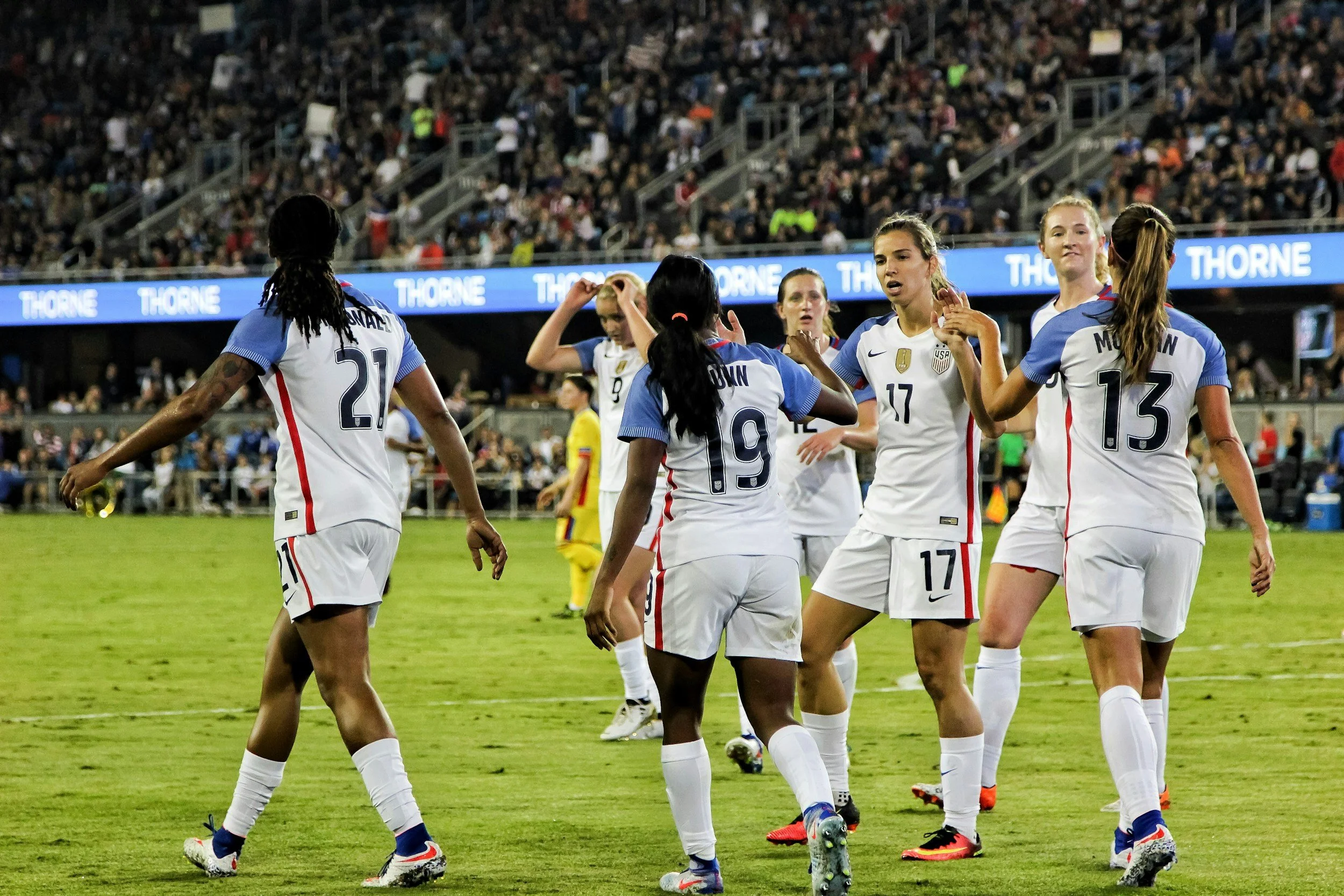
Let Your Captains Run the Room
If your captains’ main responsibilities are “coin toss” and “talk to the ref,” you don’t have captains—you have mascots with better lockers. Give them the room, not just the title.

The Pendulum of Expectations in Youth Sports
Across these levels, a pendulum swings between development and winning. In a recreational league, the pendulum is firmly on the side of development—winning is nice, but it’s not the focus. At the highest levels, winning becomes the focus, and the athletes are assumed to be fully developed.

Develop Your Coaching Philosophy
The most important question you can ask yourself as a coach is, “What does it feel like to be coached by me?” Developing a coaching philosophy keeps you grounded, helps you communicate with clarity, and ensures you create an intentional, positive experience for your athletes—one they’ll remember for all the right reasons.

Confidence Is Contagious (Yours, Too)
Your athletes can feel it when you don’t trust yourself. It leaks out in how often you second-guess decisions, how quickly you panic when things go wrong, and how defensive you get when questioned.

Understand the Philosophy of the Organization
Before you set expectations for your team, take time to understand the league’s philosophy and purpose. Every organization exists for a reason, and knowing that reason will help you coach in a way that aligns with its goals. Is the league focused on development, competition, or building community? The answer will shape what you prioritize and how you coach.

The Quiet Battle: Navigating Coach Burnout
The roots of burnout run deep, entangled with the constant pursuit of success, administrative pressures, and personal sacrifices. As coaches, finding balance may seem daunting, but it's a responsibility we must embrace for our own well-being and effectiveness. Establishing clear boundaries, seeking support, and prioritizing self-care are not just strategies but essential practices that fuel our passion and drive.

The Power of Mental Reps: Elevating Your Team's Performance
By encouraging athletes to engage mentally during downtime, you help them increase their 'mental reps.' This approach makes your practice sessions more efficient and fosters a deeper understanding of the game among your athletes.

Navigating Through Tragedy as a Team
In times of tragedy, the role of a coach transcends beyond sports training. It becomes about guiding young people through some of life's most challenging moments.
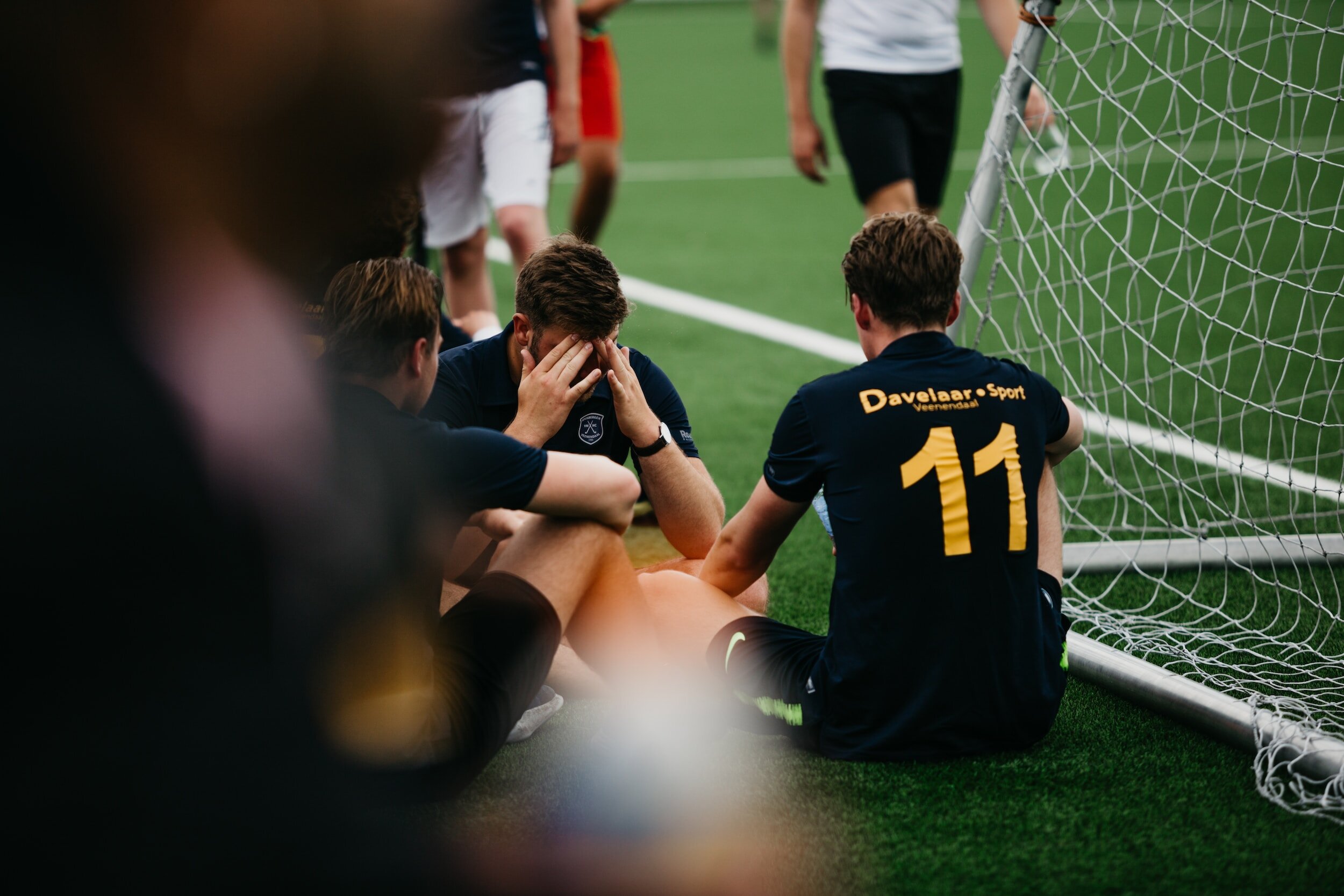
Handling Pressure: Techniques for High-Stakes Competitions
Remember, talent alone doesn’t win championships; physical skill and mental toughness synergy creates true champions. Equip your athletes and teams with this dual arsenal, and watch them transform into the most resilient and focused competitors on the field. Don’t just train the body; empower the mind.

The Art of Effective Communication in Coaching
Great communication in coaching is about creating an environment where your athletes feel they can speak up, where their opinions are valued, and where everyone is working together towards a common goal. It's in these environments that athletes truly flourish, where performance soars and strong, cohesive teams are built.

Winter Break Essentials for Coaches to Recharge and Grow
This article provides coaches with essential strategies to maximize their winter break, focusing on rest, reflection, professional development, and reconnecting with personal passions. It offers practical tips for personal growth and improved coaching skills, ensuring coaches return to their roles rejuvenated and more effective.

Mid-Season Parent Participation Practice
This special practice session is more than just a fun day; it’s a chance for parents to connect with the sport their children love. It's about building community, understanding, and respect. Athletes get to show off their skills and maybe even find a new appreciation for what they've learned. Parents get to step into their kids' shoes, seeing firsthand the dedication and effort required.

Visual Victory: Unlocking the Power of Visualization in Sports
The power of the mind is just as crucial as physical ability. Visualization is one of the most effective mental tools at an athlete’s disposal. This technique, often overlooked, can be a game-changer in enhancing performance. It’s about seeing success before it happens, creating a mental blueprint for victory.

How to Keep Your Teammates Accountable
Accountability is the key to unlocking your team’s full potential. Set the standard with your work ethic, focus on progress rather than perfection, and give your teammates permission to challenge you with the truth. Together, you’ll achieve more than you ever could alone.
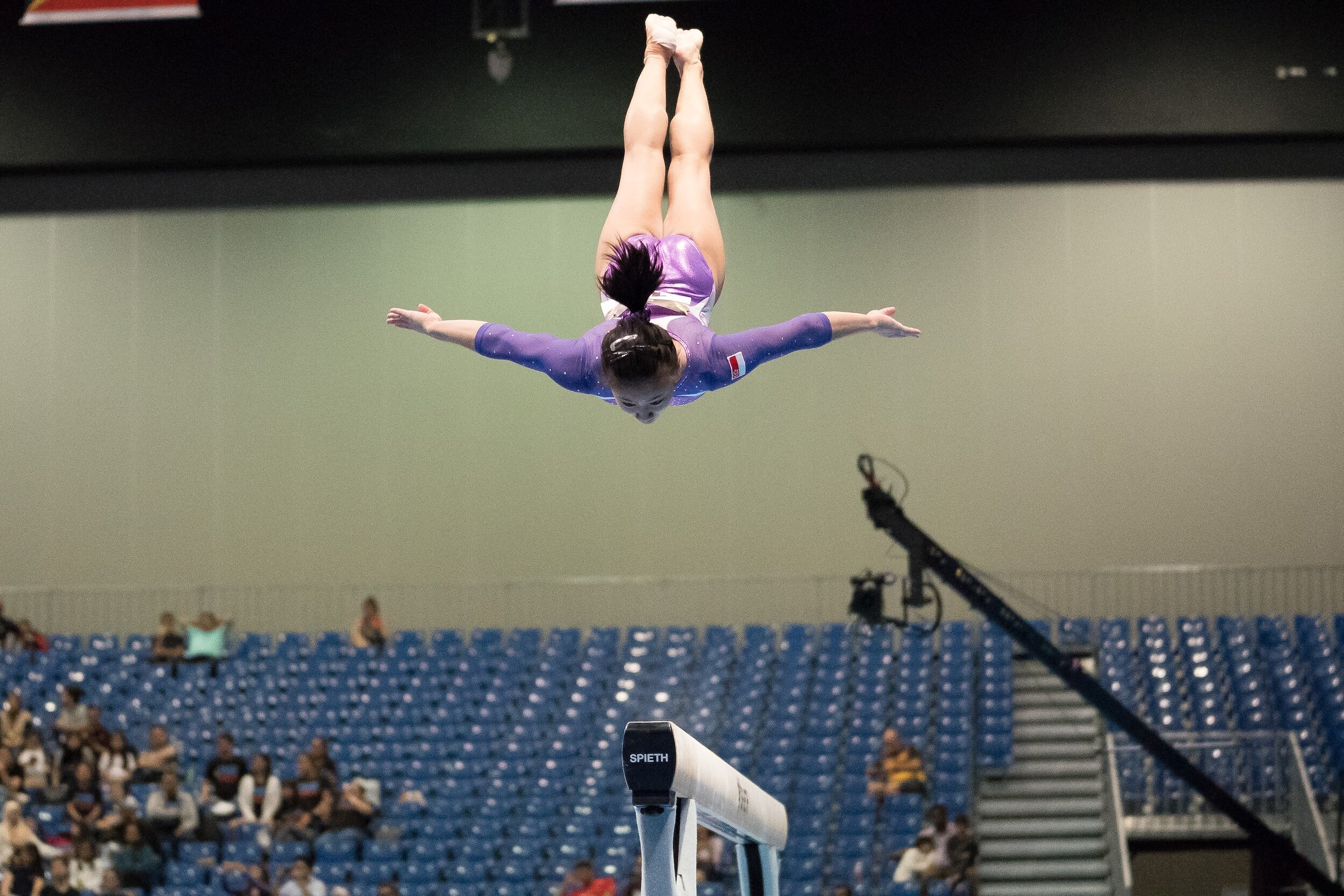
Rebuilding Confidence Post-Injury
In the end, it’s all about taking that leap of faith, both metaphorically and literally in the case of a gymnast. The road to recovery is as much about healing the mind as it is about healing the body. It’s not about the setback; it’s about the comeback! With the right approach, your gymnast will not only return to the mat but will fly higher than ever before.

Mastering the Art of the Pre-Game Ritual: A Guide for Athletes
Pre-game routines are crucial to an athlete's preparation, enhancing performance and ensuring mental readiness. These routines, varying widely among athletes, are often a blend of physical, mental, and sometimes even superstitious practices that help athletes focus, reduce anxiety, and confidently approach their game.
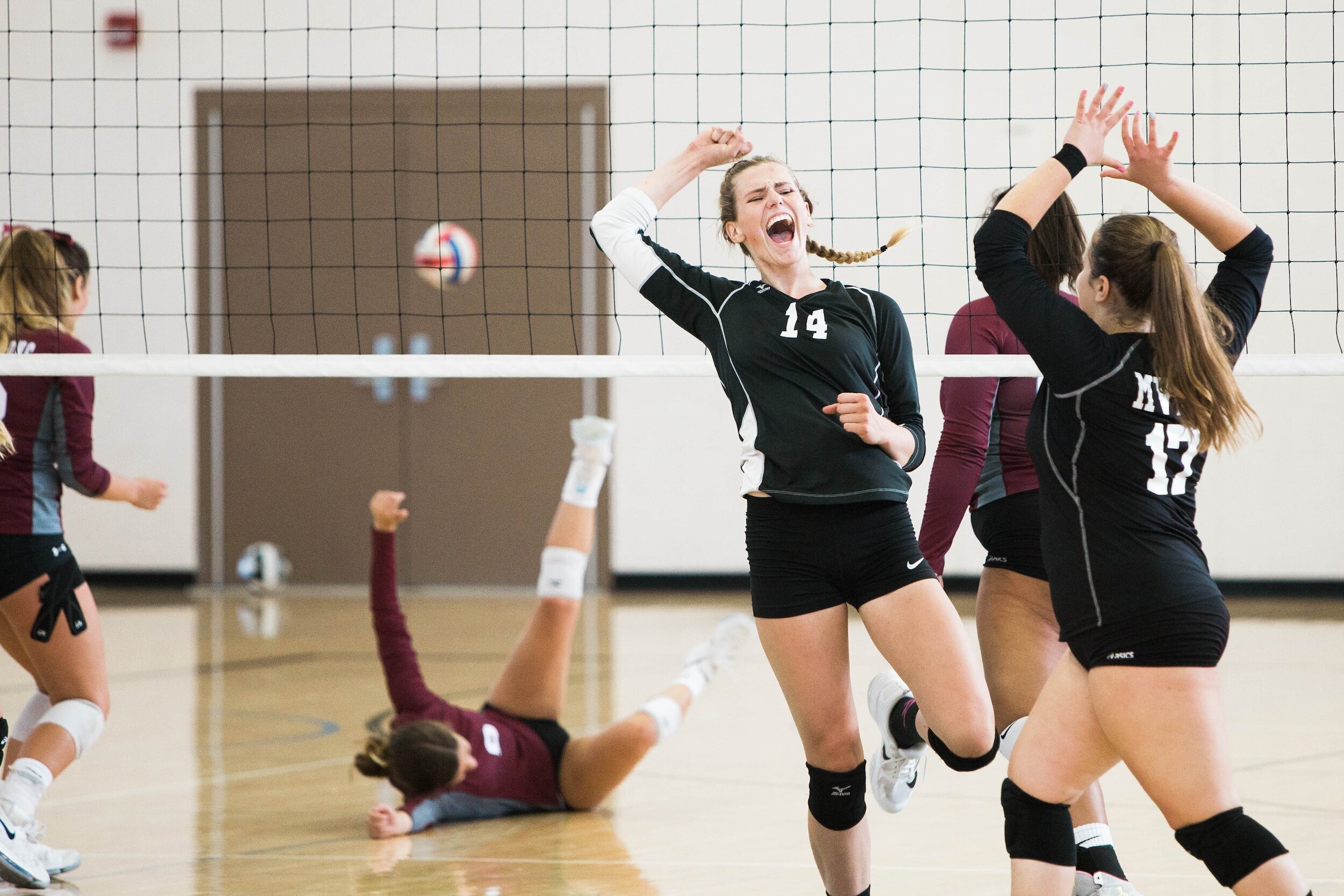
Self-Talk Conversation
In this article, we'll dive into the world of self-talk in high school volleyball. We'll explore why it's essential, the impact it has on performance, and provide practical tips for coaches to empower their players with this invaluable mental skill. So, get ready to discover how we can elevate our young athletes' game through the power of self-talk.

Mental Toughness for Young Athletes
In pursuing mental toughness, young athletes inevitably encounter various challenges that can impede their growth and development. This chapter is dedicated to exploring these obstacles and equipping both parents and young athletes with effective strategies to overcome them. As we delve into these common hurdles, we aim to empower young athletes to build a strong foundation of mental resilience, allowing them to excel in their sports journey and beyond. By fostering an environment of support, understanding, and open communication, parents play a vital role in guiding their children through these challenges, helping them develop the mental toughness needed to overcome setbacks and thrive in the face of adversity.

You Hit Like a Girl
A great myth in America is that sports build character. This is false. The late Billy Graham once said, “A coach will impact more people in one year than the average person will in an entire lifetime.” Just a reminder that the student-athletes are always watching. Your words will echo in their minds for the rest of their lives. Your echoes can be a blessing or a curse. You decide.