
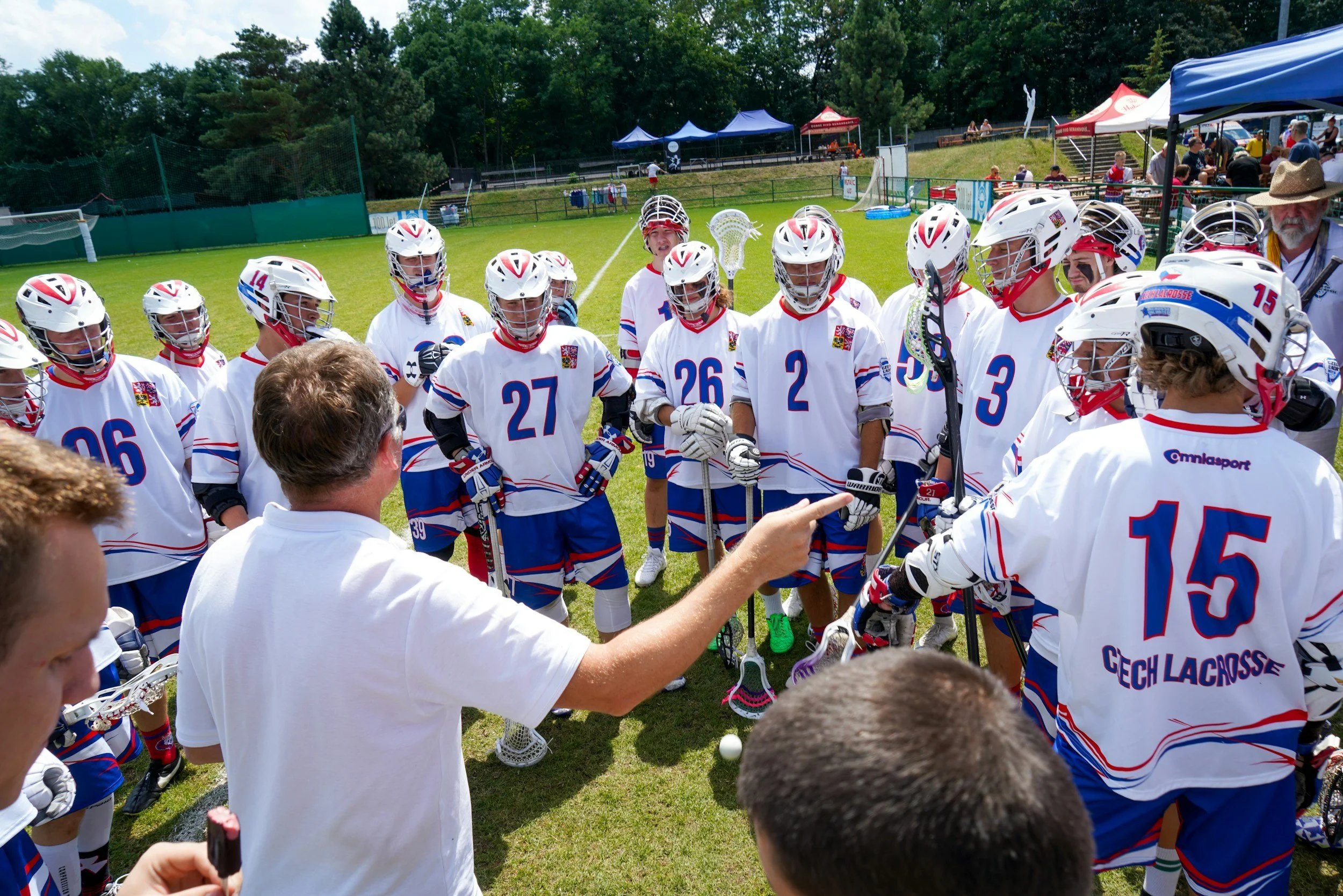
Your Voice Sets the Temperature
Walk into a locker room 20 minutes before kickoff and you can feel it in the air. Sometimes it’s buzzing—guys bouncing off the walls, helmets banging, music blasting. Other times it’s tight—quiet, tense, everyone stuck in their own head. In both cases, your voice is the thermostat.

Three Ways to Gain Credibility with Your Athletes
Kids are influenced by who you are, what you’ve done, and—most importantly—how curious you are about them. If you want your athletes to truly listen and buy into what you’re teaching, you have to establish credibility in one of three ways.

The Psychology of Pregame Preparation
Pregame preparation isn’t just physical—it’s mental. A clear, practiced routine helps athletes shift into the right mindset, fostering calm and focus in an otherwise chaotic environment. When athletes know what’s expected and can lead warm-ups themselves, they develop trust, autonomy, and ownership. The warm-up reflects your team’s culture—organized routines lead to disciplined performance, while chaotic warm-ups result in sloppy play. On game day, be the calm in the storm, trust your routine, and stay flexible. The game is often won or lost before the whistle blows, and it all starts with how you warm up.

Winning the Long Game: The Power of Respect, Relationships, and Readiness
True greatness in athletics isn’t solely defined by physical achievements or trophies on a shelf—it’s built on a foundation of respect, deep relationships, and the readiness to face every challenge with resilience. The real champions are those who cultivate their character alongside their strength, who understand that winning the long game means leaving a legacy of integrity and impact. By focusing on respect, nurturing meaningful connections, and maintaining unwavering readiness, athletes transform themselves—not just for the game, but for life.

My Coach Backpack
A well-stocked coach backpack keeps me ready for anything—whether I’m running a practice, leading a workshop, or jumping into an impromptu drill. Being prepared means I can adapt on the fly and focus fully on creating meaningful experiences for athletes and participants.
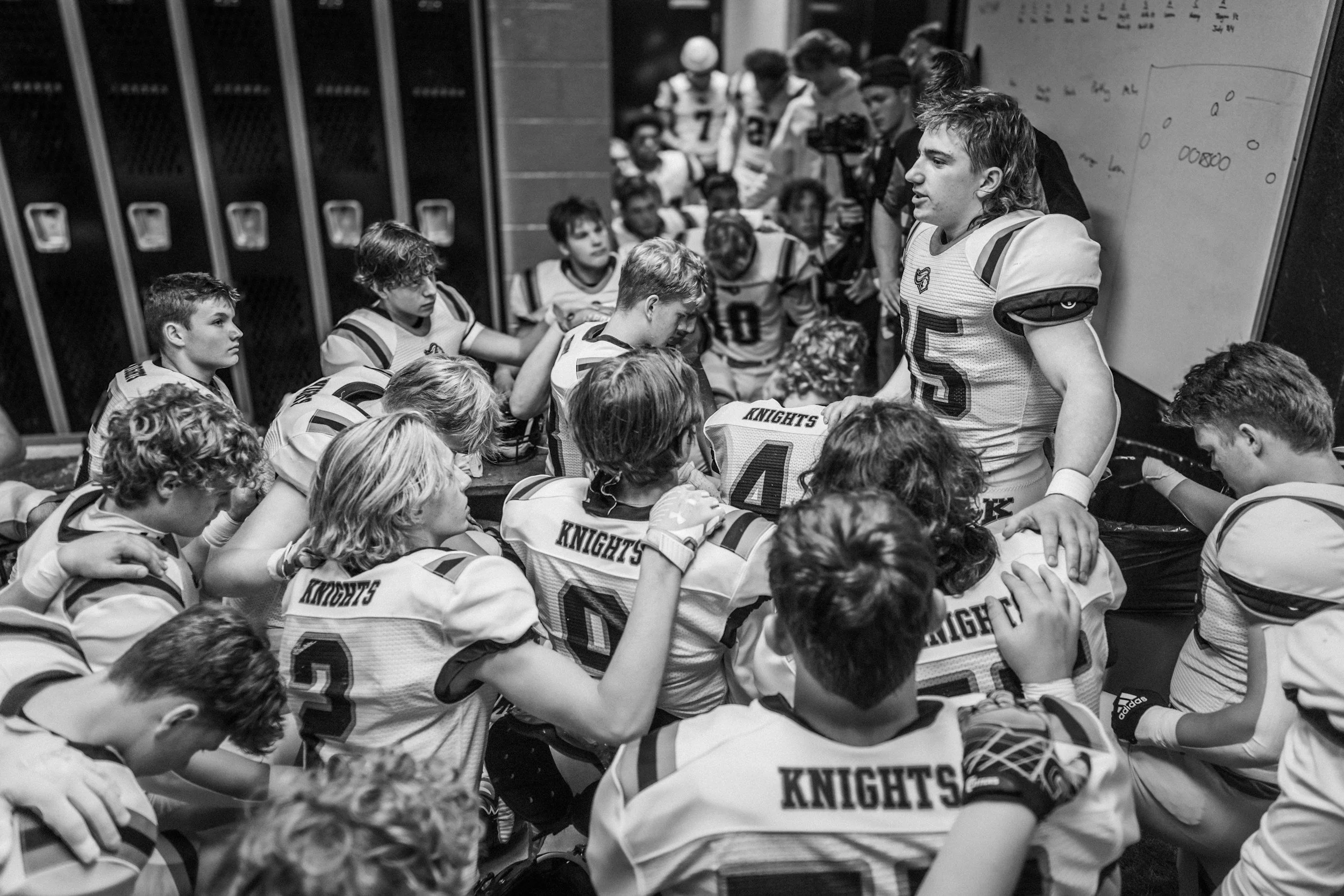
Expectations Are Useless If You Don’t Enforce Them
Every coach has “program standards” on a slide somewhere. The real standard is whatever you allow your best player to get away with on a bad day.

The Power of Consistency
Consistency builds trust and creates a stable environment where athletes thrive, knowing exactly what to expect from their coach. When you show up every day with steady energy, clear expectations, and a positive attitude, your athletes will mirror that consistency and grow into confident, resilient players.
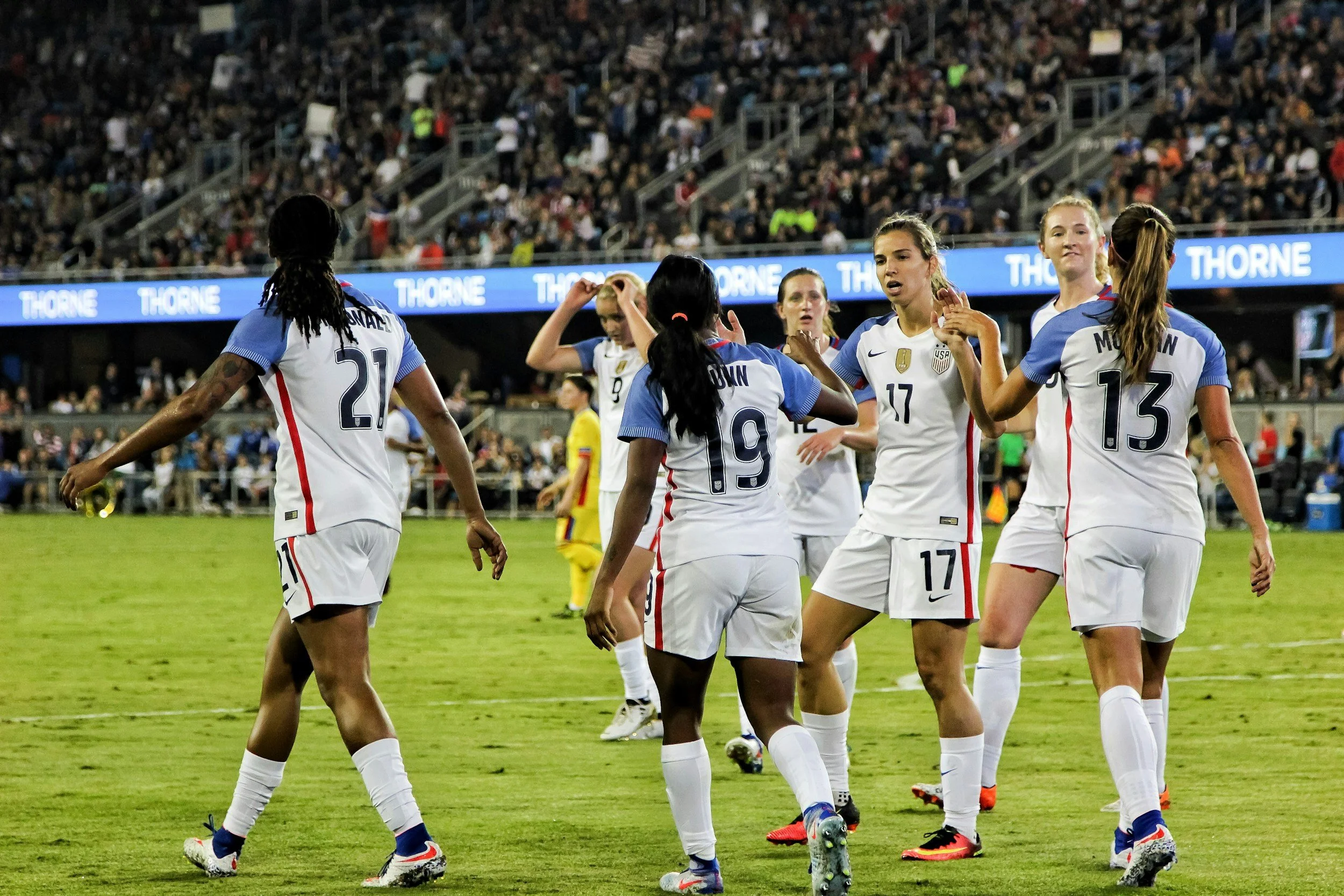
Let Your Captains Run the Room
If your captains’ main responsibilities are “coin toss” and “talk to the ref,” you don’t have captains—you have mascots with better lockers. Give them the room, not just the title.

The Pendulum of Expectations in Youth Sports
Across these levels, a pendulum swings between development and winning. In a recreational league, the pendulum is firmly on the side of development—winning is nice, but it’s not the focus. At the highest levels, winning becomes the focus, and the athletes are assumed to be fully developed.

Develop Your Coaching Philosophy
The most important question you can ask yourself as a coach is, “What does it feel like to be coached by me?” Developing a coaching philosophy keeps you grounded, helps you communicate with clarity, and ensures you create an intentional, positive experience for your athletes—one they’ll remember for all the right reasons.

Confidence Is Contagious (Yours, Too)
Your athletes can feel it when you don’t trust yourself. It leaks out in how often you second-guess decisions, how quickly you panic when things go wrong, and how defensive you get when questioned.

Understand the Philosophy of the Organization
Before you set expectations for your team, take time to understand the league’s philosophy and purpose. Every organization exists for a reason, and knowing that reason will help you coach in a way that aligns with its goals. Is the league focused on development, competition, or building community? The answer will shape what you prioritize and how you coach.

The Quiet Battle: Navigating Coach Burnout
The roots of burnout run deep, entangled with the constant pursuit of success, administrative pressures, and personal sacrifices. As coaches, finding balance may seem daunting, but it's a responsibility we must embrace for our own well-being and effectiveness. Establishing clear boundaries, seeking support, and prioritizing self-care are not just strategies but essential practices that fuel our passion and drive.

The Power of Mental Reps: Elevating Your Team's Performance
By encouraging athletes to engage mentally during downtime, you help them increase their 'mental reps.' This approach makes your practice sessions more efficient and fosters a deeper understanding of the game among your athletes.

Navigating Through Tragedy as a Team
In times of tragedy, the role of a coach transcends beyond sports training. It becomes about guiding young people through some of life's most challenging moments.
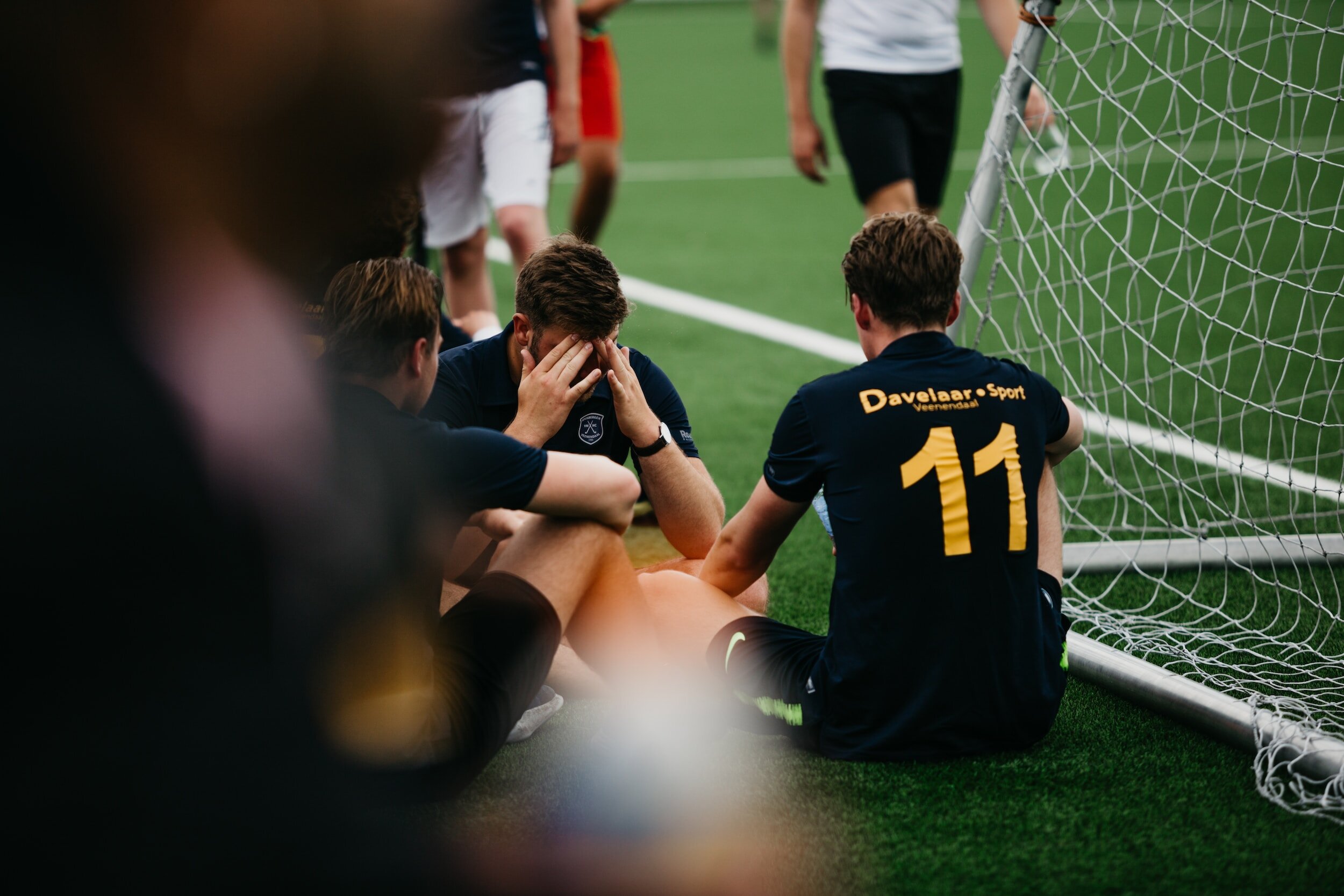
Handling Pressure: Techniques for High-Stakes Competitions
Remember, talent alone doesn’t win championships; physical skill and mental toughness synergy creates true champions. Equip your athletes and teams with this dual arsenal, and watch them transform into the most resilient and focused competitors on the field. Don’t just train the body; empower the mind.

The Art of Effective Communication in Coaching
Great communication in coaching is about creating an environment where your athletes feel they can speak up, where their opinions are valued, and where everyone is working together towards a common goal. It's in these environments that athletes truly flourish, where performance soars and strong, cohesive teams are built.

Winter Break Essentials for Coaches to Recharge and Grow
This article provides coaches with essential strategies to maximize their winter break, focusing on rest, reflection, professional development, and reconnecting with personal passions. It offers practical tips for personal growth and improved coaching skills, ensuring coaches return to their roles rejuvenated and more effective.

Mid-Season Parent Participation Practice
This special practice session is more than just a fun day; it’s a chance for parents to connect with the sport their children love. It's about building community, understanding, and respect. Athletes get to show off their skills and maybe even find a new appreciation for what they've learned. Parents get to step into their kids' shoes, seeing firsthand the dedication and effort required.

Visual Victory: Unlocking the Power of Visualization in Sports
The power of the mind is just as crucial as physical ability. Visualization is one of the most effective mental tools at an athlete’s disposal. This technique, often overlooked, can be a game-changer in enhancing performance. It’s about seeing success before it happens, creating a mental blueprint for victory.