
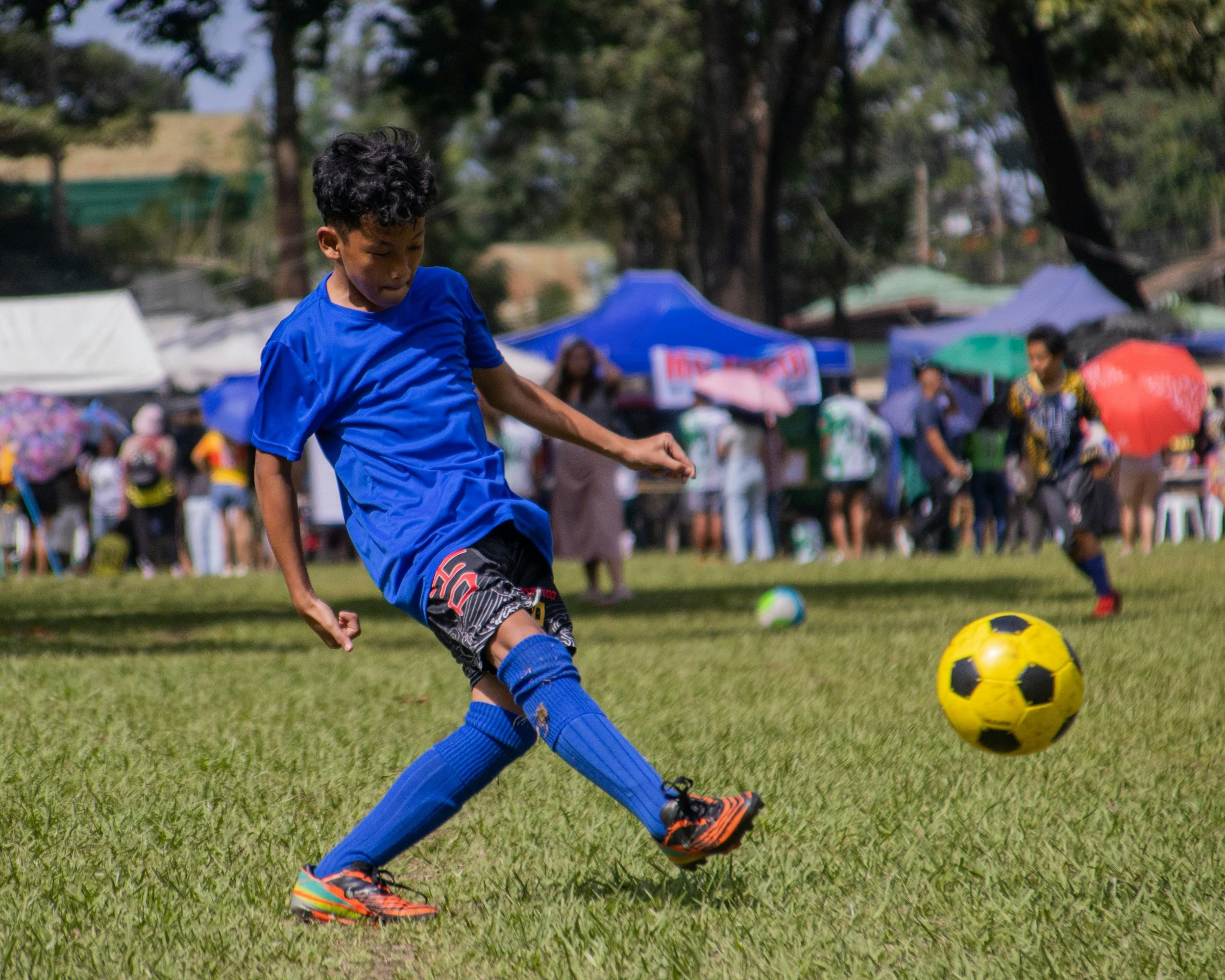
Parents Aren’t the Enemy (Unless You Train Them That Way)
Most “problem parents” are just scared parents with bad information and no clear lane. You can’t fix every sideline, but you can absolutely keep yours from turning into a war zone.

The Sideline Effect: What Your Athlete Feels From You During the Game
The sideline has an effect—even when you don’t say a word. Your athlete picks up your tone, body language, and reactions to mistakes, refs, and coaches, and that energy becomes part of their performance environment. This post breaks down three simple sideline habits that build confidence (without turning you into a second coach) and a steady rule to live by: be the calm—because confidence is built in moments like this.
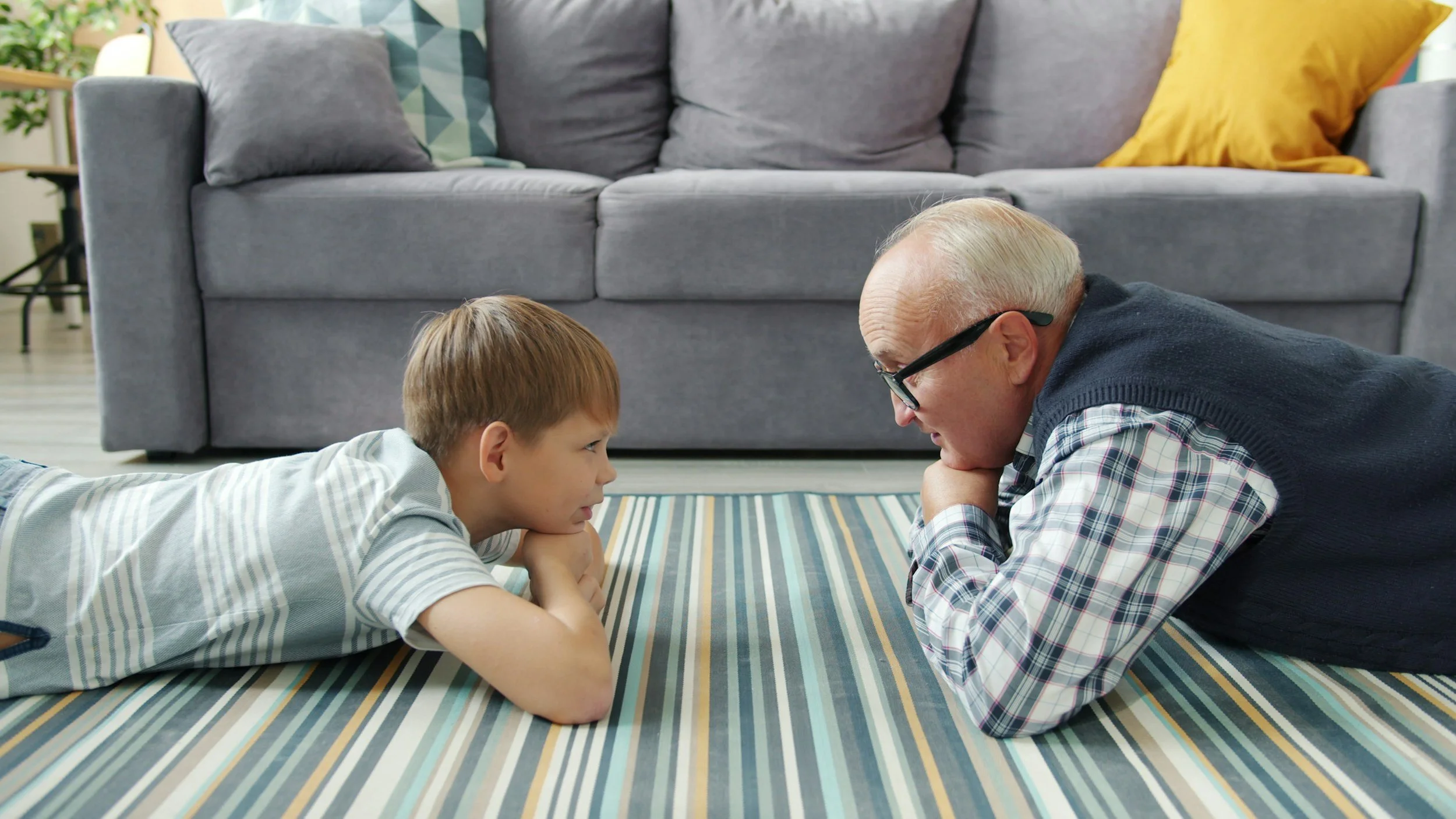
5 Things That Backfire on the Car Ride Home (and what to do instead)
Playing time is a hot topic because it feels personal. But your athlete is watching how you handle hard conversations. If you want them to grow into someone who can face feedback, stay steady under pressure, and keep working when things aren’t fair—this is one of those moments. Calm advocacy teaches strength. Public frustration teaches stress.

How to Talk to Your Child After the Game
As a coach, I have the advantage of working with the same age group year after year. I learn the quirks, the challenges, and how kids at that age behave and grow. For parents, it’s a very different story. Most of you are navigating this stage of life for the first time. Even if you’ve got multiple kids, each one is different, bringing new challenges. The pressure to “get it right” is immense.

Mid-Season Parent Participation Practice
This special practice session is more than just a fun day; it’s a chance for parents to connect with the sport their children love. It's about building community, understanding, and respect. Athletes get to show off their skills and maybe even find a new appreciation for what they've learned. Parents get to step into their kids' shoes, seeing firsthand the dedication and effort required.
Mental Toughness for Young Athletes
In pursuing mental toughness, young athletes inevitably encounter various challenges that can impede their growth and development. This chapter is dedicated to exploring these obstacles and equipping both parents and young athletes with effective strategies to overcome them. As we delve into these common hurdles, we aim to empower young athletes to build a strong foundation of mental resilience, allowing them to excel in their sports journey and beyond. By fostering an environment of support, understanding, and open communication, parents play a vital role in guiding their children through these challenges, helping them develop the mental toughness needed to overcome setbacks and thrive in the face of adversity.
I learned it from watching you!
Young athletes are not adults and do not have the life experience to be held to the expectation of being able to control their emotions. Sports give a student-athlete a controlled environment to learn how to manage feelings and emotions; the coach as the teacher. That teaching is one of the biggest lessons a coach can teach an athlete under their supervision.
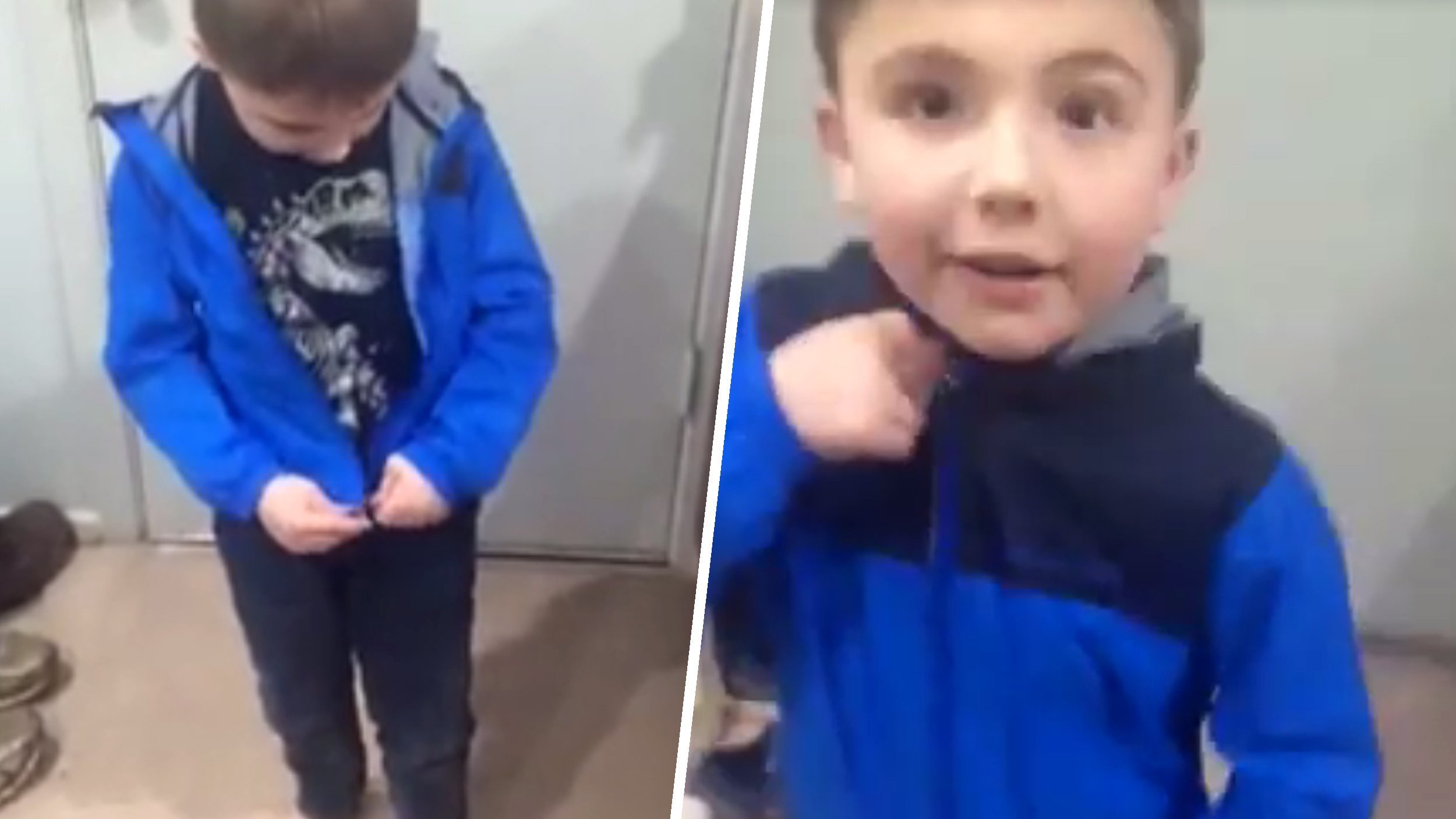
The Zipper Phenomena
This week, look for situations in practice, competition, or life where the child is struggling. Let them struggle a bit before you intervene (so long as it is safe), and the payoff will outweigh the struggle.
Setting Expectations with Parents
At the beginning of every season, I sit down with the parents and let them know what they can expect from me as the coach of their child. I go through a list of bullet points I have curated throughout the years, so there are no surprises
To start the new school year, I wrote down for you a sample of how my parent meetings go. It is directed at a youth football team. Enjoy!

Empowering Children to Find Courage
This story highlights the importance of coaches in developing athletes' physical skills, confidence, and self-esteem. Coaches can make a lasting impact on their athletes' lives beyond the game, and it is essential to encourage and show athletes that they are loved and valued both on and off the court.
The Zipper Phenomena: Building Character in 30 Seconds.
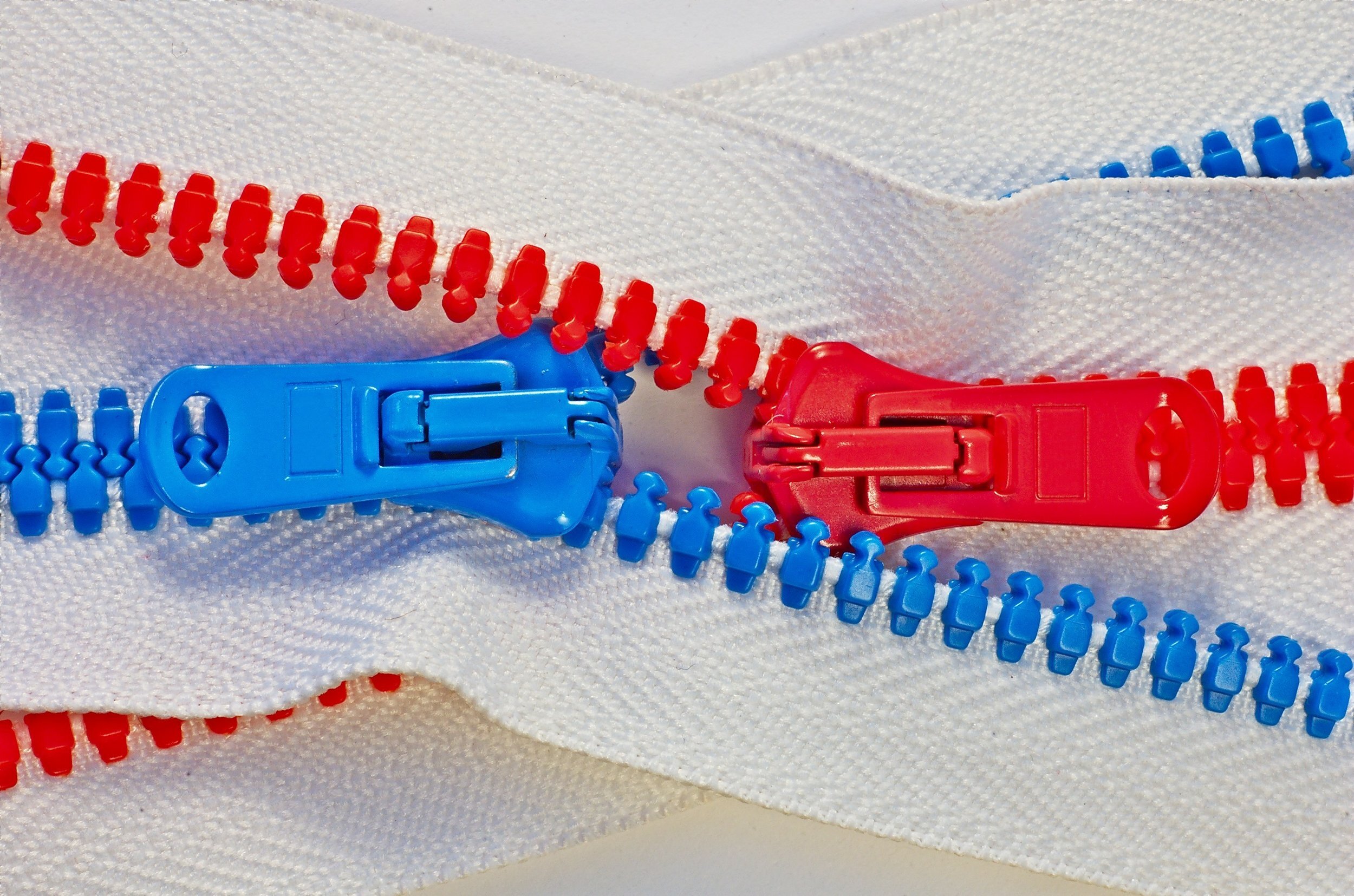
There are not many things more satisfying to me than a smiling baby, an excited child, or a youth victory dance. This whole situation took place in a matter of thirty seconds. It could have been easily prevented by mom reaching down and zipping up his jacket for him, but she paused and let him do it. Had she intervened, the little boy would not have had the joy of triumph after the struggle. But mom, in her great wisdom, allowed her son to do it on his own. Though I am sure it was difficult to see her son struggle, the payoff of victory outweighed the difficulty of failure.