

2025 Recommended Reading for Coaches
Mental game titles keep showing up because coaches are tired of watching an athlete look unstoppable on Tuesday and totally disappear under Friday-night pressure. Culture books are everywhere because talent isn’t the problem—connection is. Leadership books are rising because yelling can create intensity, but it doesn’t create ownership. And the science-heavy training books sit right next to biographies and story-driven reads because coaches are realizing performance lives in two worlds at once: the body you train and the mind you can’t ignore.
Coaching the Kid, Not Just the Sport
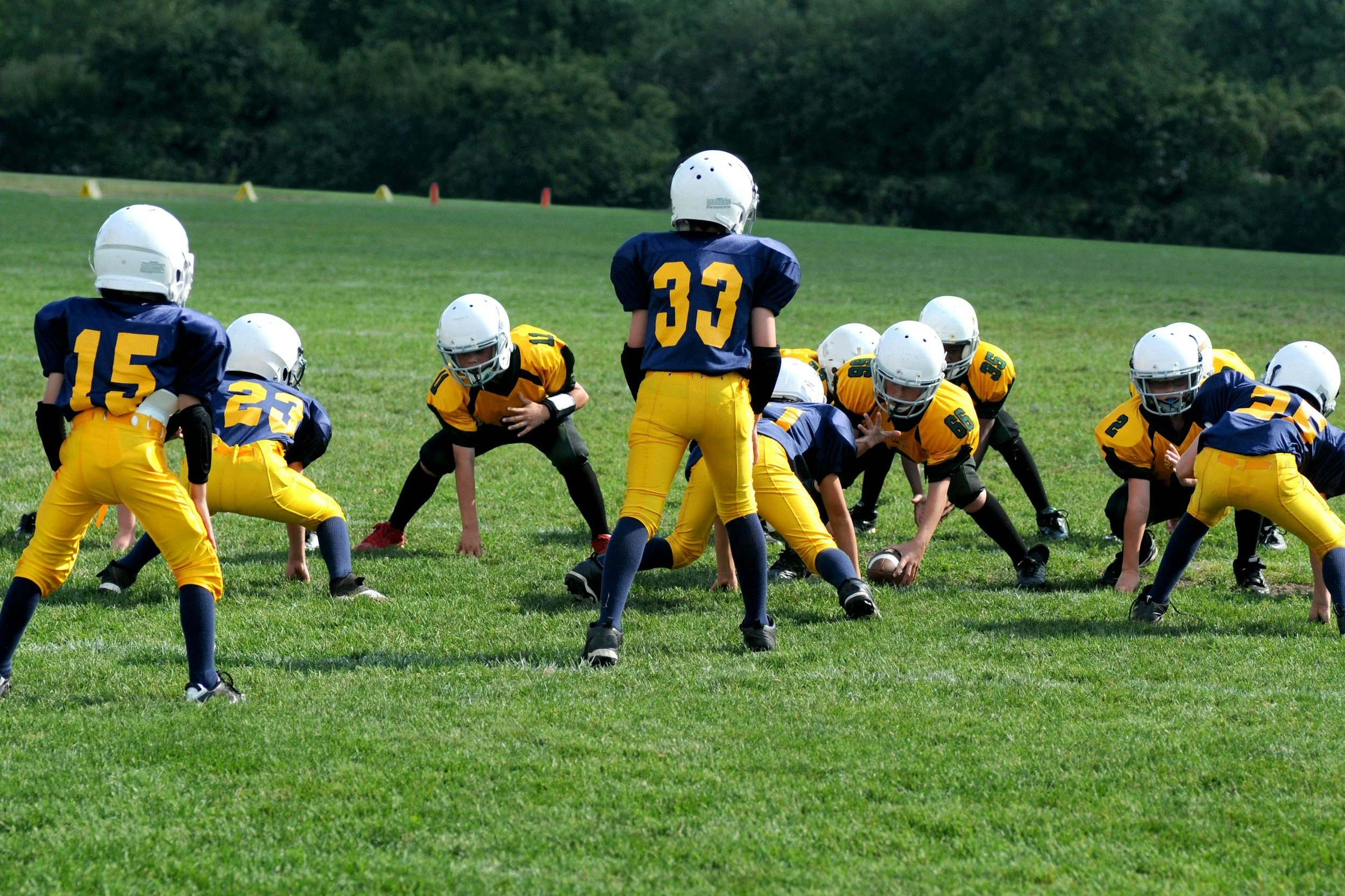
It’s easy to say you care about the person, not just the performance. It’s trickier when you’re staring at practice plans, game film, scouting reports, parent emails, and the never-ending chaos of a season. But here’s the truth: your athletes will forget most of the drills you ran. What sticks are the moments where they felt seen.
Define Success Before the Scoreboard Does
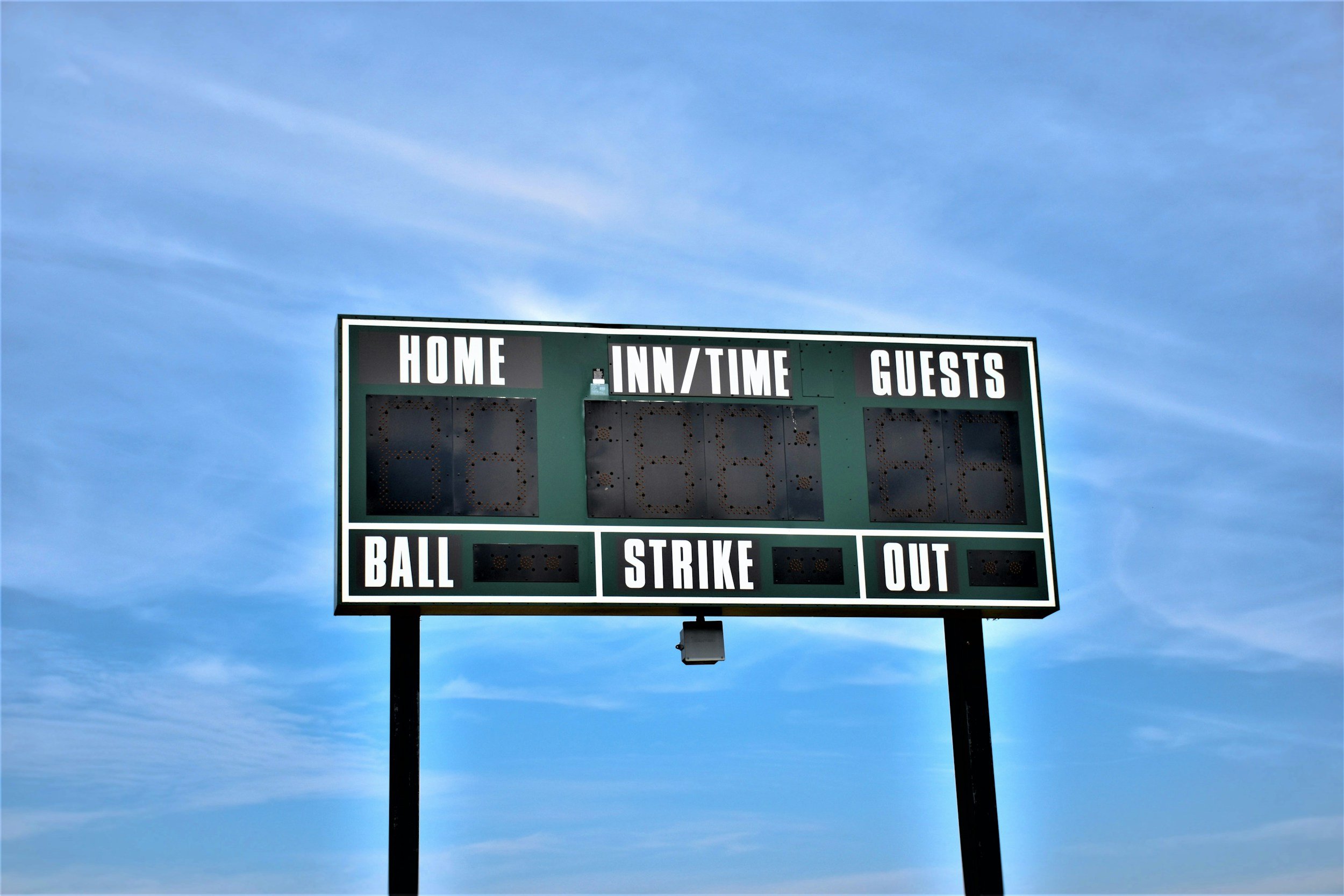
If you don’t define success before the season starts, the scoreboard will happily do it for you. So will parents. So will social media. So will your own ego.

Parents Aren’t the Enemy (Unless You Train Them That Way)
Most “problem parents” are just scared parents with bad information and no clear lane. You can’t fix every sideline, but you can absolutely keep yours from turning into a war zone.

Adversity Is Not a Red Flag. Quitting Is.
An excerpt from Talent Needs Character – When Things Go Wrong

Screenshots, Receipts, and Your Future Self
Excerpt from Talent Needs Character – Social Media and the Shadow You’re Creating

The Sideline Effect: What Your Athlete Feels From You During the Game
The sideline has an effect—even when you don’t say a word. Your athlete picks up your tone, body language, and reactions to mistakes, refs, and coaches, and that energy becomes part of their performance environment. This post breaks down three simple sideline habits that build confidence (without turning you into a second coach) and a steady rule to live by: be the calm—because confidence is built in moments like this.
Halftime: Don’t Light Them Up, Lead Them
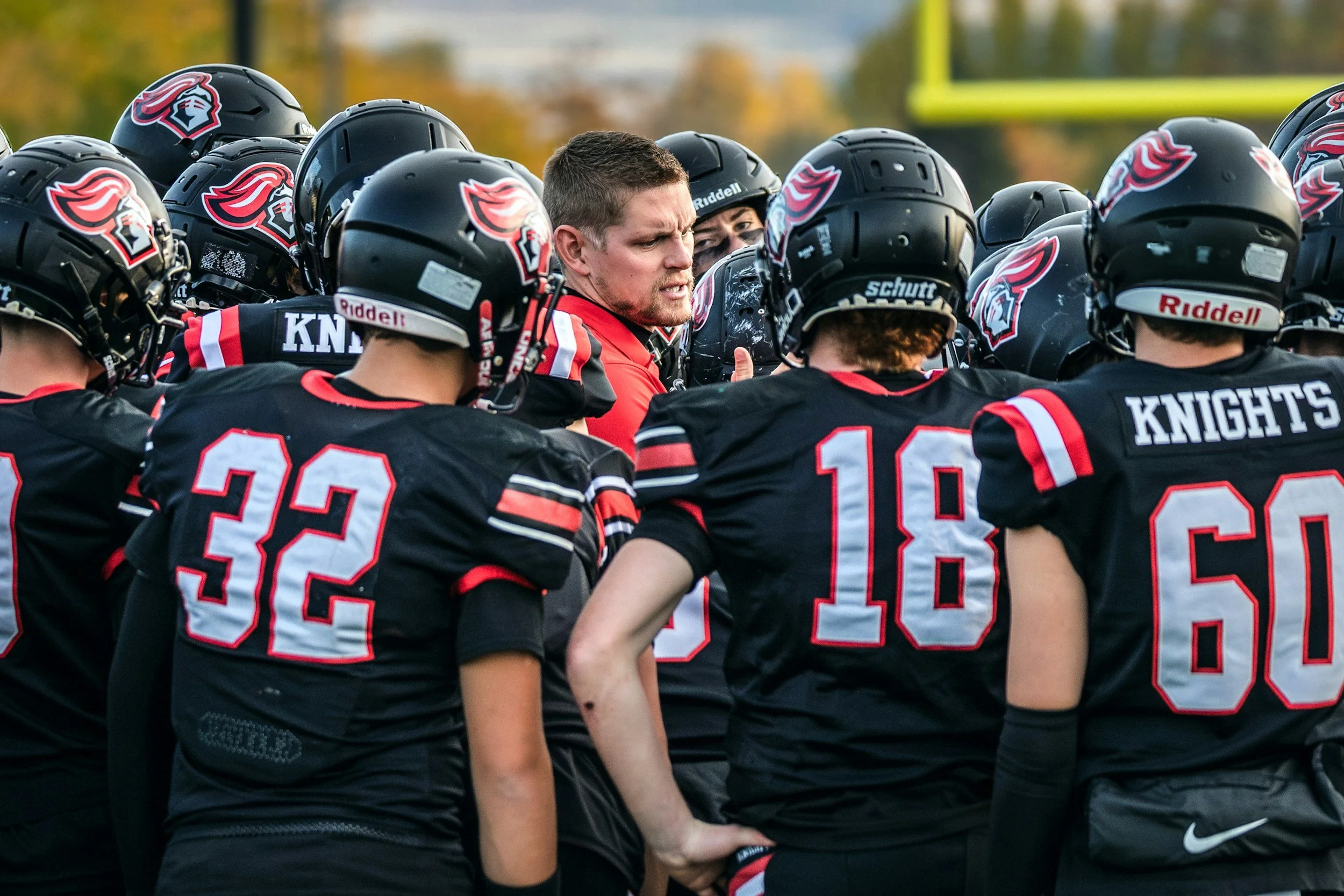
Excerpt from Friday Night Fire – Halftime Moments: Adjusting Without Panic

Stop Talking to the Team, Start Talking to People
Excerpt from Friday Night Fire – Knowing Your Audience: Speaking to Individuals in a Team Room

5 Things That Backfire on the Car Ride Home (and what to do instead)
Playing time is a hot topic because it feels personal. But your athlete is watching how you handle hard conversations. If you want them to grow into someone who can face feedback, stay steady under pressure, and keep working when things aren’t fair—this is one of those moments. Calm advocacy teaches strength. Public frustration teaches stress.


How to Talk to Your Child After the Game
As a coach, I have the advantage of working with the same age group year after year. I learn the quirks, the challenges, and how kids at that age behave and grow. For parents, it’s a very different story. Most of you are navigating this stage of life for the first time. Even if you’ve got multiple kids, each one is different, bringing new challenges. The pressure to “get it right” is immense.


More Than Your Stat Line
Stats matter. They help tell the story. But they’re not the whole story—and they’re definitely not the part that lasts.
Your Voice Sets the Temperature
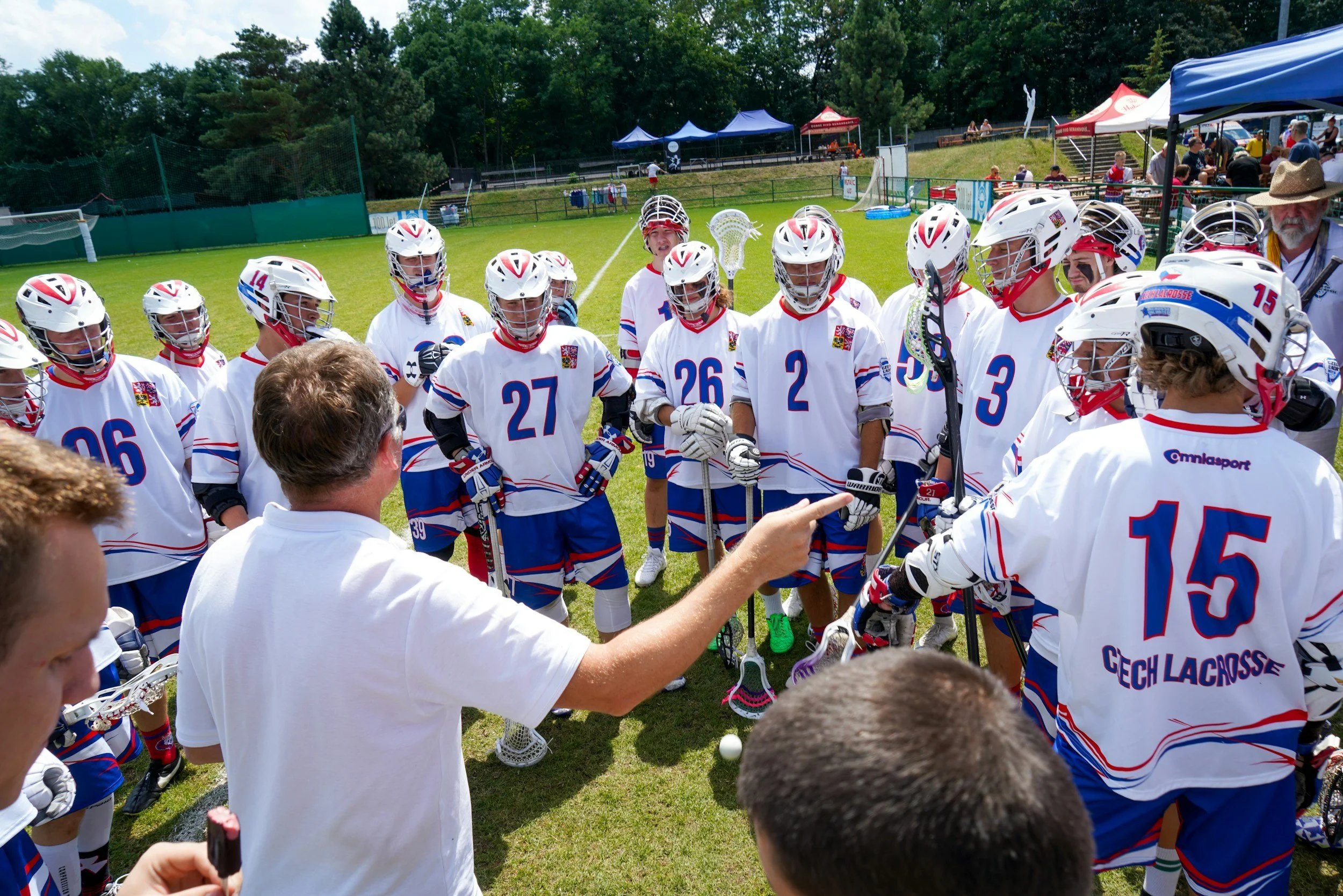
Walk into a locker room 20 minutes before kickoff and you can feel it in the air. Sometimes it’s buzzing—guys bouncing off the walls, helmets banging, music blasting. Other times it’s tight—quiet, tense, everyone stuck in their own head. In both cases, your voice is the thermostat.

Three Ways to Gain Credibility with Your Athletes
Kids are influenced by who you are, what you’ve done, and—most importantly—how curious you are about them. If you want your athletes to truly listen and buy into what you’re teaching, you have to establish credibility in one of three ways.

The Psychology of Pregame Preparation
Pregame preparation isn’t just physical—it’s mental. A clear, practiced routine helps athletes shift into the right mindset, fostering calm and focus in an otherwise chaotic environment. When athletes know what’s expected and can lead warm-ups themselves, they develop trust, autonomy, and ownership. The warm-up reflects your team’s culture—organized routines lead to disciplined performance, while chaotic warm-ups result in sloppy play. On game day, be the calm in the storm, trust your routine, and stay flexible. The game is often won or lost before the whistle blows, and it all starts with how you warm up.

Winning the Long Game: The Power of Respect, Relationships, and Readiness
True greatness in athletics isn’t solely defined by physical achievements or trophies on a shelf—it’s built on a foundation of respect, deep relationships, and the readiness to face every challenge with resilience. The real champions are those who cultivate their character alongside their strength, who understand that winning the long game means leaving a legacy of integrity and impact. By focusing on respect, nurturing meaningful connections, and maintaining unwavering readiness, athletes transform themselves—not just for the game, but for life.